The UK diamond market has evolved rapidly over the past decade. Today’s buyers are more informed, more ethically conscious, and more design-focused than ever before. Yet with that sophistication comes complexity. Between certification standards, pricing variations, online retailers, and bespoke ateliers, knowing where to begin can feel daunting.
For many first-time buyers exploring diamond rings, clarity is everything. It’s not simply about choosing a stone that sparkles, it’s about understanding quality, value, and long-term significance within the British marketplace.
Understand What Drives Diamond Pricing in the UK
While the 4Cs cut, colour, clarity, and carat remain universal benchmarks, the UK market has its own pricing nuances. VAT, currency fluctuations, and import logistics can influence retail prices more than buyers initially realise.
Cut quality, in particular, deserves attention. A well-cut 1.2-carat diamond can appear more brilliant and visually larger than a poorly cut 1.5-carat stone. Many buyers are tempted to prioritise carat weight for impact, but brilliance and proportion often create greater presence on the hand. Choosing a slightly smaller stone with exceptional cut can offer superior value and longevity.
It’s also wise to compare like-for-like certifications. Reputable grading from laboratories such as GIA or IGI provides transparency. Without consistent grading standards, price comparisons become misleading.
Choose Retailers with Transparency and Expertise
The British jewellery sector spans heritage high-street names, boutique designers, and online-first platforms. Each has its advantages, but transparency should always be non-negotiable.
Look for retailers who provide:
- Detailed certification documentation
- High-resolution imagery or 360° viewing
- Clear breakdowns of pricing
- Honest guidance rather than pressure selling
An experienced consultant will explain why a VS2 clarity diamond might represent better value than a flawless stone that appears identical to the naked eye. They should also discuss setting craftsmanship because a poorly made mount can diminish even the finest diamond.
Online platforms have become increasingly competitive in the UK, often offering broader inventory and pricing flexibility. However, customer service and return policies must be scrutinised just as carefully as the stones themselves.
Lab-Grown vs Natural: A Growing Consideration
The UK market has embraced lab-grown diamonds at an impressive pace. For new buyers, this opens a meaningful choice.
Lab-grown diamonds offer larger carat weights within the same budget, making a 2-carat centre stone far more attainable. For couples prioritising size and sustainability, this can be compelling. Natural diamonds, however, continue to hold emotional and geological appeal formed over billions of years, each stone carries a sense of rarity that some buyers deeply value.
Neither option is inherently “better.” The right choice depends on personal priorities: budget allocation, environmental considerations, and long-term sentiment. A thoughtful retailer will discuss both without bias.
Think Beyond the Diamond Itself
Market navigation is not only about the stone it’s about the complete ring. Setting design, metal choice, and craftsmanship significantly influence both aesthetics and durability.
Platinum remains popular in the UK for its strength and cool-toned elegance, while white gold offers a slightly warmer alternative with a more accessible price point. Yellow gold has also seen a resurgence, particularly among buyers seeking vintage character.
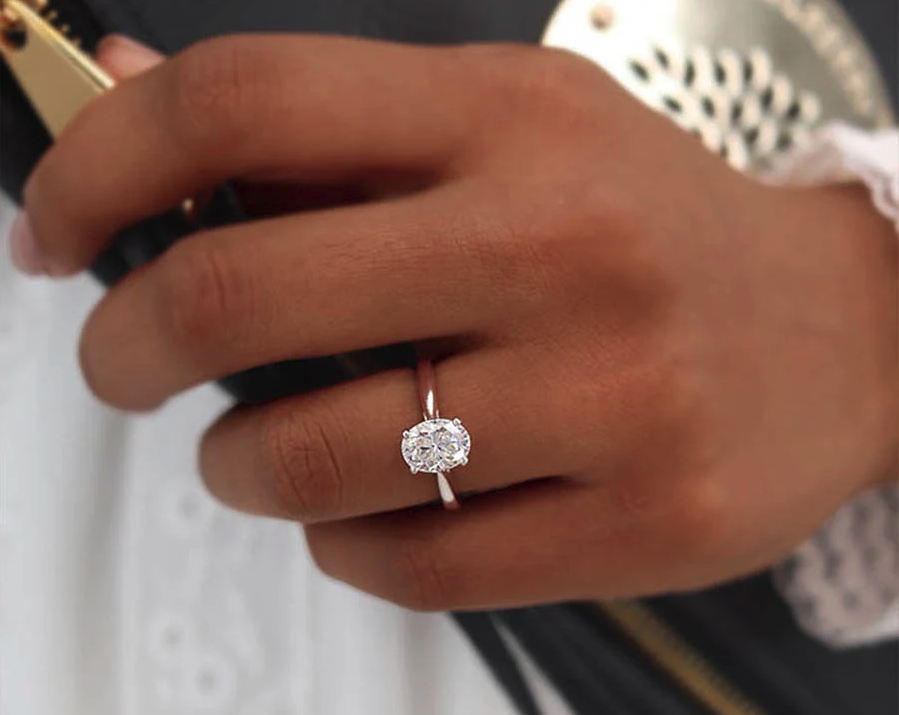
Lifestyle matters too. Someone with a highly active routine may prefer a lower-profile setting to protect the diamond. Others might favour a cathedral or halo design for added drama. The best purchases are those aligned with how the ring will actually be worn, not just how it appears in a display case.
Final Thought
Navigating the UK diamond market is less about chasing the biggest stone and more about making an informed, balanced decision. By understanding certification standards, comparing retailers carefully, weighing natural versus lab-grown options, and considering design longevity, new buyers can move from uncertainty to confidence.
A diamond ring marks a milestone but the experience of choosing it should feel just as considered and meaningful.